





Defining Target Product Profiles (TPPs) for Bacteriophage Therapies to treat CF lung infections
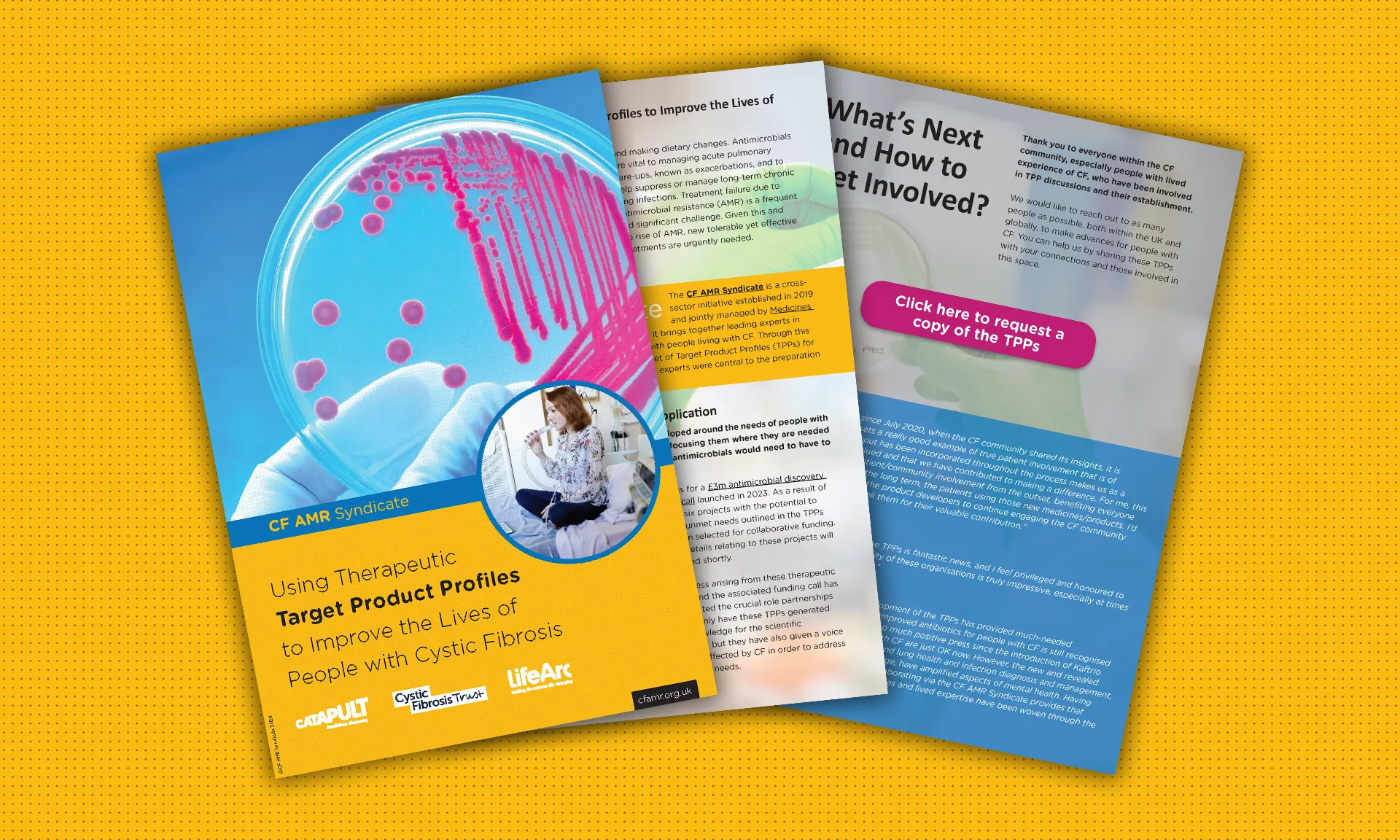
The CF AMR Syndicate has joined forced with the TRAILFINDER CF Innovation hub to deliver TPPs to catalyse and guide the development of phage therapies to treat lung infections in CF.
These TPPs are based around the needs and priorities of people with CF and are intended to outline the necessary characteristics for phage-based therapies to treat CF lung infections. They will serve as guiding documents for the development of such therapies and provide insights into the development of both conventional and modified phage products. It is anticipated that this work will help drive new research projects and investment into phage therapies to treat chronic lung infections in CF and beyond.

The Need
Chronic lung infections remain a cause of morbidity and mortality in CF. Despite major advances in CF care with the introduction of CFTR modulators, chronic infections remain a clinical challenge driving disease progression and treatment burden. Problematic pathogens such as Mycobacterium abscessus, Pseudomonas aeruginosa, and Burkholderia cepacia complex continue to be associated with worse outcomes and increased treatment complexity. Treatment options for pathogens like M. abscessus in particular are limited, often involving lengthy, complex, and toxic multidrug regimens.
Antibiotics remain a key therapeutic for managing infections, but prolonged and repeated use contributes to antimicrobial resistance, drug toxicity, and intolerable side effects- issues that are becoming increasingly important in an aging CF population.
Phage-based therapeutics offer a promising and targeted approach to tackling these infections. Phages are viruses that specifically infect and lyse (or breakdown) bacteria, including antibiotic-resistant strains. They can penetrate biofilms offering a mechanism to restore treatment options where antibiotics fail.
Compassionate-use experience supports their safety and biological activity, however access is currently restricted to unlicensed, individualised preparations. Phage products developed under standard drug authorisation pathways could provide a scalable and regulated means to meet this unmet medical need ensuring consistent manufacturing, quality control, and wider clinical availability for CF and other chronic lung infections.

Our Approach
The approach will follow the CF AMR Syndicate’s established patient-centric framework for TPP development, as previously applied to the development of TPPs for antimicrobial therapeutics and diagnostics for CF. Summarised below:
Development of TPPs
01
Scoping phase:
A systematic review of the preclinical and clinical pipeline for phage therapeutics for lung infections in CF and other chronic respiratory infections alongside identification of key stakeholders to engage with.
02
Stakeholder engagement and drafting phase:
Focus groups and one-to-one interviews with people with CF and their loved ones , clinicians, industry partners, and other key experts to identify needs and define TPP characteristics.
03
Consensus-building, publication and dissemination phase:
Agreement on the developed draft TPP(s) will be assessed through a Delphi-style survey, followed by a virtual symposium with key stakeholders to help refine the final document.